May. 17, 2018
FileTouris an adware bundle that is commonly spread as cracks or cheats for games and other software. This bundle is notorious for crossing the line between what is traditionally known as adware and PUPs and more dangerous computer infections such as password-stealing Trojans and miners. This adware bundle has started to create a Windows autorun that automatically launches Chrome and connects to a in-browser mining page when a user logs into Windows.
May. 12, 2018
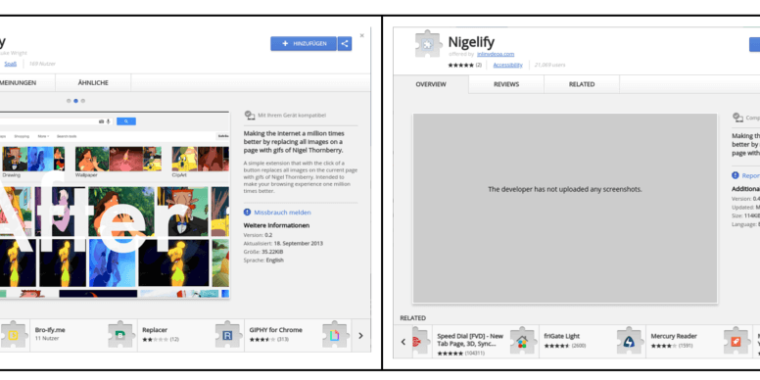
The extensions were being pushed in links sent over Facebook that led people to a fake YouTube page that asked for an extension to be installed. Once installed, the extensions executed JavaScript that made the computers part of a botnet. The botnet stole Facebook and Instagram credentials and collected details from a victim’s Facebook account.
The botnet then used that pilfered information to send links to friends of the infected person. Those links pushed the same malicious extensions. If any of those friends followed the link, the whole infection process started all over again.
Mar. 5, 2018

One of the coolest things about Chrome is the silent, automatic updates that always ensure that users are always running the latest version. While Chrome itself is updated automatically by Google, that update process also includes Chrome’s extensions, which are updated by the extension owners. This means that it’s up to the user to decide if the owner of an extension is trustworthy or not, since you are basically giving them permission to push new code out to your browser whenever they feel like it.
Mar. 3, 2018
Two weeks ago, in a little-noticed presentation at the Offensive Con security conference in Berlin, security researchers Markus Vervier and Michele Orrù detailed a method that exploits a new and obscure feature of Google’s Chrome browser to potentially bypass the account protections of any victim using the Yubikey Neo, one of the most popular of the so-called Universal Two-Factor, or U2F, tokens that security experts recommend as the strongest form of protection against phishing attacks.