Mar. 6, 2018

When someone commits a crime, it’s safe to assume that person wants to get rid of the evidence; they may wear gloves, or conceal their identity. But criminals get caught, often on the most incidental oversights—some as small and seemingly innocent as a knot in a string.
Source: atlasobscura.com
Mar. 6, 2018

On December 19, Coinbase made a surprise announcement that it had started to trade a cryptocurrency called Bitcoin Cash. Coinbase has more customers than the mainstream finance company Charles Schwab, so its decision on whether to support a cryptocurrency has a big impact on that cryptocurrency’s value. Indeed, within minutes of Coinbase’s announcement, the price of Bitcoin Cash shot up by nearly $1,000 and all further Bitcoin Cash trades were cancelled.
Mar. 6, 2018

In December, an investigation by a panel of Cuban scientists concluded that there likely were no attacks. The panel determined that the most likely explanation was mass psychogenic illness (MPI), which is essentially a collective delusion among a cohesive group of people that a sickness is spreading among them. But the US doctors who evaluated the affected individuals dismissed this idea, noting that their observed symptoms and injuries were not ones that could be consciously or unconsciously manipulated.
Mar. 6, 2018

A Chinese firm’s buyout of a British semiconductor company may have directly led to China developing railgun weaponry and electromagnetic aircraft carrier catapults for its navy, according to reports.
Source: co.uk
Mar. 6, 2018
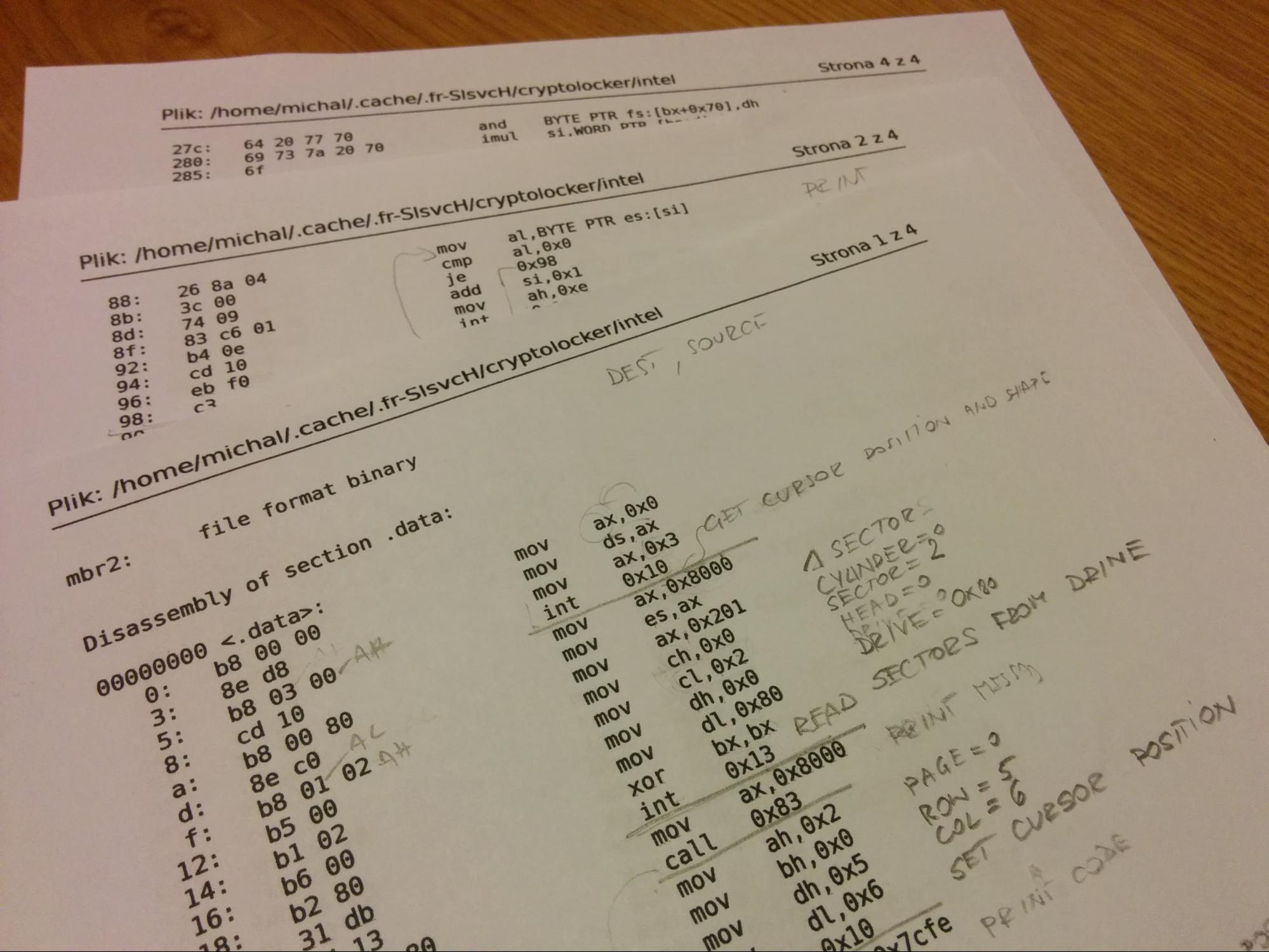
It was a hot summer evening back in August 2014. I was working on my master’s thesis project. The project was about building software controlling a group of mobile robots and at that time I was running some simulations.
The main part was running on a Linux machine, but the simulator had to be run on Windows, so I decided to put it in VMware virtual machine. Looking back, I must admit it was very overcomplicated, but I was still a student and I had a lot of free time.
Mar. 6, 2018

Phone numbers are not reliable. Phone numbers can be hijacked. Phone numbers change.
Phone numbers stop working when you are traveling and not roaming. Phone numbers don’t work when you are using in-flight Wi-Fi. Phone numbers can stop receiving text messages/calls for a million of other reasons, effectively either (1) locking users out of an account or (2) compromising the account altogether.
Mar. 5, 2018

Yesterday I managed to grab some screenshots of a video calling UI on Instagram. This is the story of how that happened. I think the description of the process will be pretty useful to anyone who’s interested in reverse engineering to find hidden features.
Source: medium.com
Mar. 5, 2018

In recent years, American companies have faced a growing threat from patent assertion entities derisively called ‘patent trolls.’ These often shadowy firms make money by threatening patent lawsuits rather than creating useful products. A recent study suggests that the roots of the patent trolling problem may lie with the US Patent and Trademark office—specifically with patent examiners who fail to thoroughly vet patent applications before approving them.
Mar. 5, 2018

A scan of nearly one million Ethereum smart contracts has identified 34,200 vulnerable contracts that can be exploited to steal Ether, and even freeze or delete assets in contracts the attackers don’t own.
Source: bleepingcomputer.com
Mar. 5, 2018
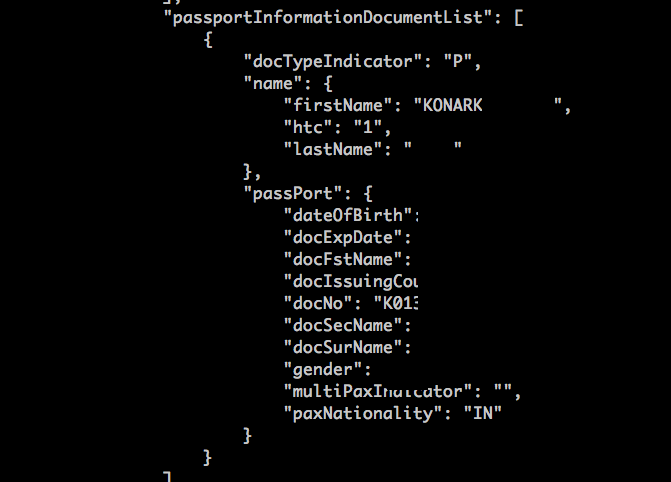
Now imagine this, I said “You try to check-in for your flight online, and see the error message — This booking does not exist. You try again, this surely is a mistake. Nope, still the same error message.
The call center person repeats the same words. This has to be a mistake! You check your email, and there it is — staring back at you — email confirmation of cancellation.
Mar. 5, 2018
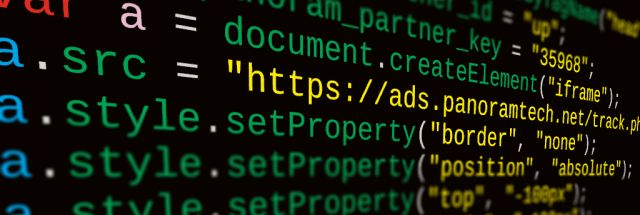
One of the coolest things about Chrome is the silent, automatic updates that always ensure that users are always running the latest version. While Chrome itself is updated automatically by Google, that update process also includes Chrome’s extensions, which are updated by the extension owners. This means that it’s up to the user to decide if the owner of an extension is trustworthy or not, since you are basically giving them permission to push new code out to your browser whenever they feel like it.
Mar. 5, 2018
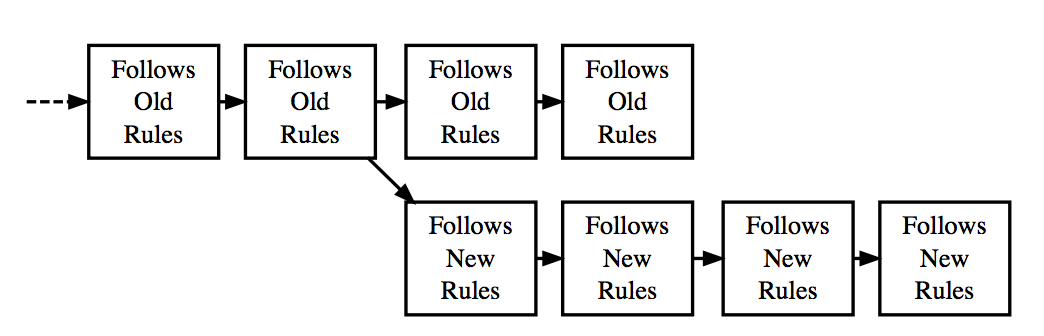
There is a third category of double-spends that is not documented: double-spending through full node consensus failure. The risk for this grows every day.
Source: medium.com
Mar. 5, 2018

Last August, reports emerged that U.S. and Canadian diplomats in Cuba had suffered a host of mysterious ailments. Speculation soon arose that a high-frequency sonic weapon was to blame. Acoustics experts, however, were quick to point out the unlikeliness of such an attack.
Among other things, ultrasonic frequencies—from 20 to 200 kilohertz—don’t propagate well in air and don’t cause the ear pain, headache, dizziness, and other symptoms reported in Cuba. Also, some victims recalled hearing high-pitched sounds, whereas ultrasound is inaudible to humans.
Mar. 5, 2018

The affair between the sex industry and cryptocurrency isn’t new. Porn has historically been ahead of the curve tech-wise, and this holds true for Bitcoin adoption. Back in 2013, UK escort service VIP Passion started accepting Bitcoin payments.
Two years later, sex workers started posting Twitter tutorials on how to use Bitcoin to pay for advertisements on Backpage.com when major credit cards pulled their services from the platform due to rampant sex trafficking.
Mar. 5, 2018

Yesterday’s bizarrely ominous presentation by Russian Vladimir Putin, where he showcased six super weapons that will supposedly give Russia an asymmetric edge over its potential foes—namely the United States—is still reverberating throughout the national security community. After we posted our master recap of the event and the weapons concepts featured in it, we and our incredible discussion crew here at The War Zone went to work dissecting what was presented in an attempt to parse fact from fiction.
Mar. 3, 2018

The prime minister was on Thursday forced to publish the text of a direction to the Investigatory Powers Commissioner’s Office, the spying watchdog, on governing “security service participation in criminality”.
Source: theguardian.com
Mar. 3, 2018

Successful or not, if Russia is test flying these weapons, this means it has been repeatedly crashing nuclear reactors into the ground or the ocean.
Source: thedrive.com
Mar. 3, 2018

Developers of Ethereum, the world’s No. 2 digital currency by market capitalization, have closed a serious security hole that allowed virtually anyone with an Internet connection to manipulate individual users’ access to the publicly accessible ledger.
Source: arstechnica.com
Mar. 3, 2018

Security researchers at Akamai, the Internet performance company that helped Github fight off the attack, told Fortune they’ve noticed something novel some of these recent attacks. Hackers have started stuffing the barrage of Internet traffic with ransom notes.
Source: fortune.com
Mar. 3, 2018

Within its digital borders, China has long censored what its people read and say online. Now, it is increasingly going beyond its own online realms to police what people and companies are saying about it all over the world.
Source: nytimes.com