Jun. 28, 2019
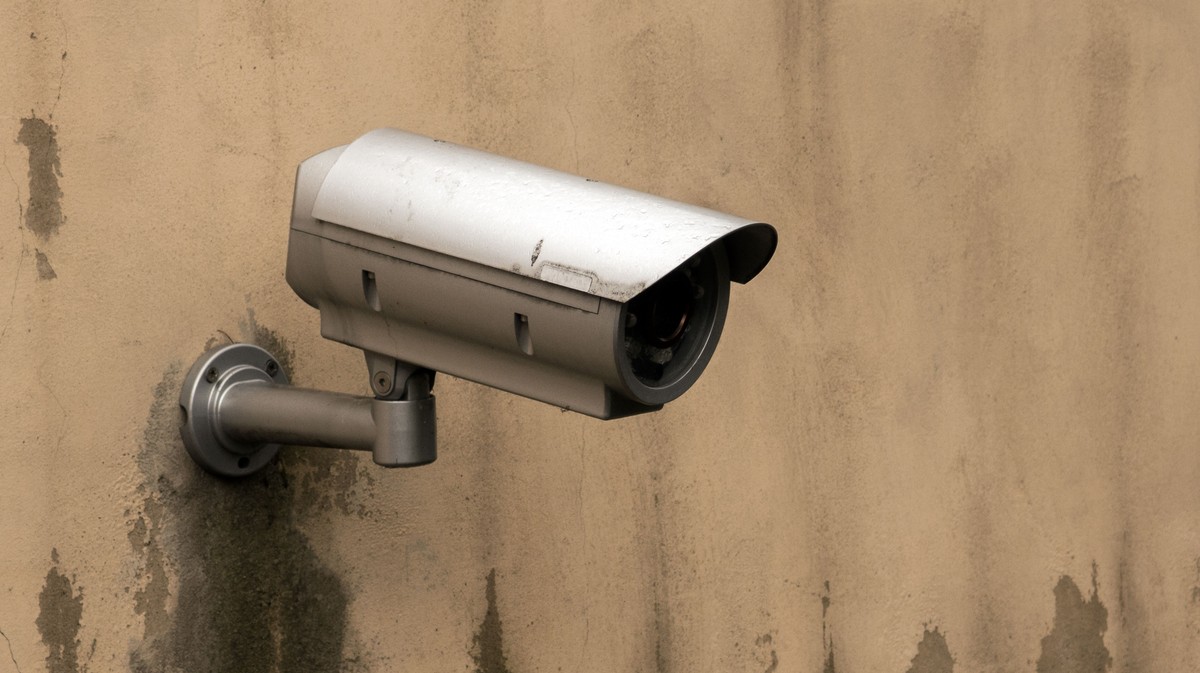
Somerville, Massachusetts just became the second U.S. city to ban the use of facial recognition in public space. The ‘Face Surveillance Full Ban Ordinance,’ which passed through Somerville’s City Council on Thursday night, forbids any “department, agency, bureau, and/or subordinate division of the City of Somerville” from using facial recognition software in public spaces. The ordinance passed Somerville’s Legislative Matters Committee on earlier this week.
Jun. 6, 2018

If Artificial Intelligence (AI) is increasingly able to recognise and classify faces, then perhaps the only way to counter this creeping surveillance is to use another AI to defeat it. We’re in the early years of AI-powered image and face recognition but already researchers at the University of Toronto have come up with a way that this might be possible. The principal at the heart of this technique is adversarial training, in which a neural AI network’s image recognition is disrupted by a second trained to understand how it works.
May. 31, 2018
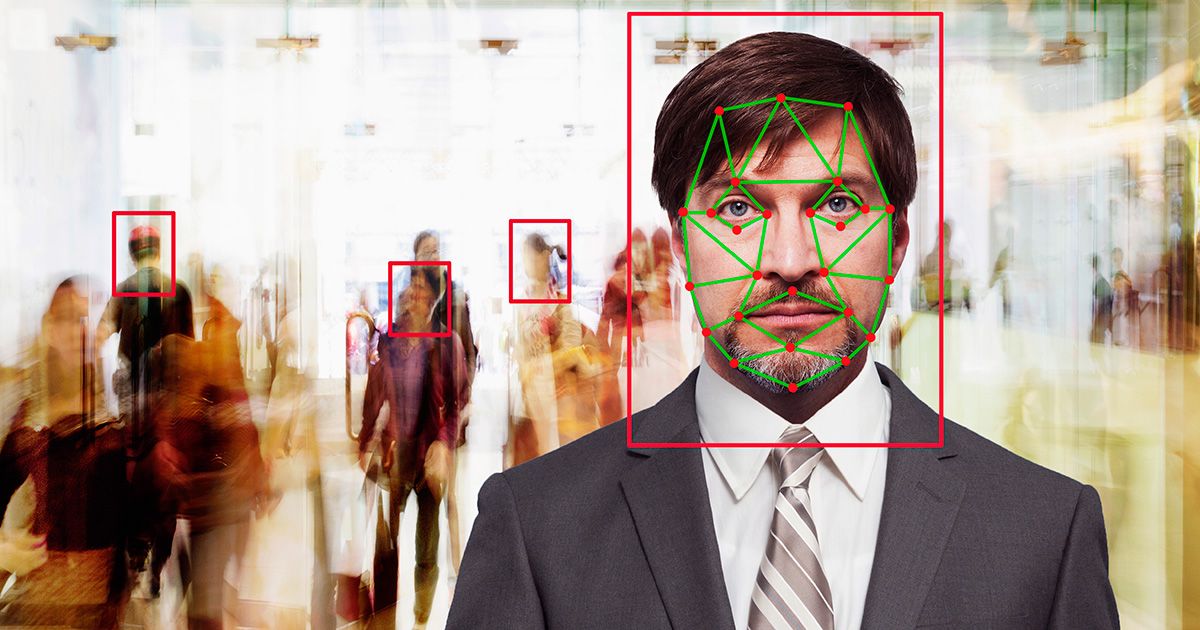
In its letter, the ACLU argues that Amazon, which has in the past opposed secret government surveillance, should not be in the business of selling AFR technology that the company claims can “identify people in real-time by instantaneously searching databases containing tens of millions of faces.” Further, the ACLU insists, Rekognition’s capability to track “persons of interest,” coupled with its other features which “read like a user manual for authoritarian surveillance,” lends itself to the violation and abuse of individuals’ civil rights. Amazon naturally disagrees.
May. 23, 2018
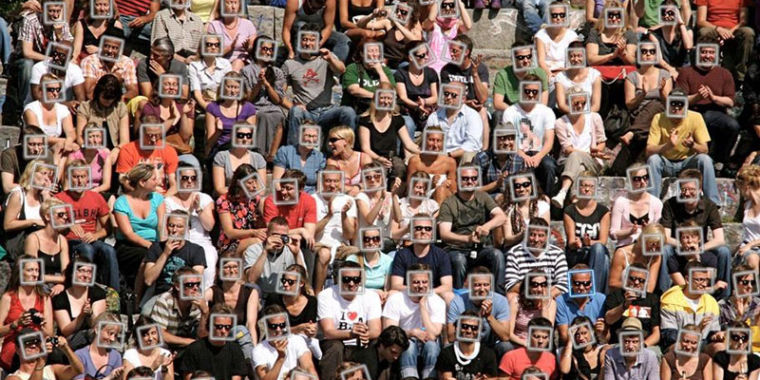
Amazon is actively courting law-enforcement agencies to use a cloud-based facial-recognition service that can identify people in real time, the American Civil Liberties Union reported Tuesday, citing the documents obtained from two US departments. The service, which Amazon markets under the name Rekognition, can recognize as many as 100 people in a single image and can compare images against databases containing tens of millions of faces. Company executives describe deployment by law enforcement agencies as common use case.
May. 8, 2018
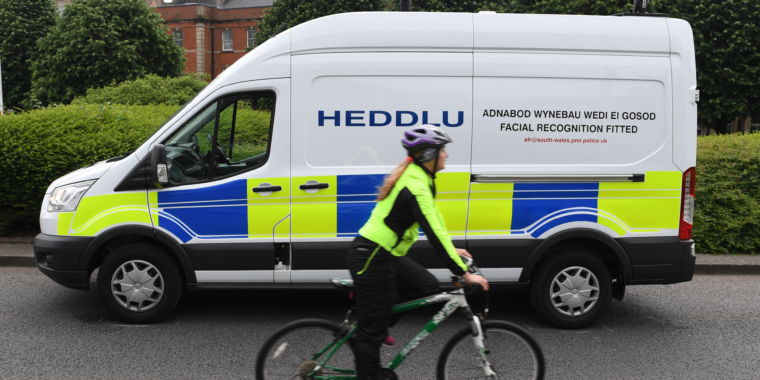
New data about the South Wales Police’s use of the technology obtained by Wired UK and The Guardian through a public records request shows that of the 2,470 alerts from the facial recognition system, 2,297 were false positives. In other words, nine out of 10 times, the system erroneously flagged someone as being suspicious or worthy of arrest.
Apr. 17, 2018

Singapore last year announced that it wants to convert every single lamp post in the country – there are about 110,000 in the island state – into an interconnected network of wireless sensors.
Source: sophos.com
Mar. 1, 2018
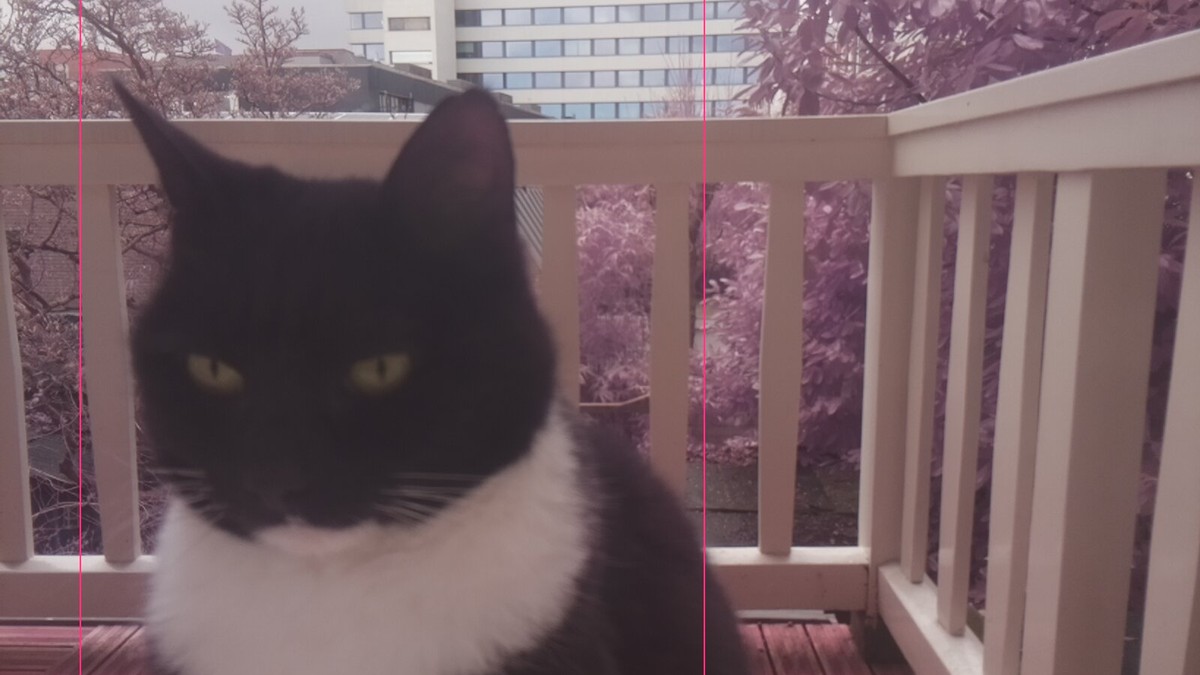
Welcome to the cat surveillance state.
Source: vice.com