Oct. 8, 2026

The attackers launched a series of attacks on the .gh, .sl, and .as country code top-level domains (ccTLDs) and then modified authoritative DNS records for selected domains within those namespaces. By controlling those DNS records, the attackers were able to pass automated domain control validation checks and obtain unauthorized certificates for “several Google domains” and “several leading global brands and widely used online services.” Google said it updated Chrome to block all certificates it identified as unauthorized, and worked with the issuing certification authorities to ensure the unauthorized certificates for Google properties were revoked.
Sep. 21, 2026

Ukrainian hackers gained access to a large collection of Russian naval files, obtaining technical documentation linked to 70 projects involving submarines, warships, navigation systems, sonar technology, and autonomous underwater vehicles.
Source: united24media.com
Sep. 18, 2026
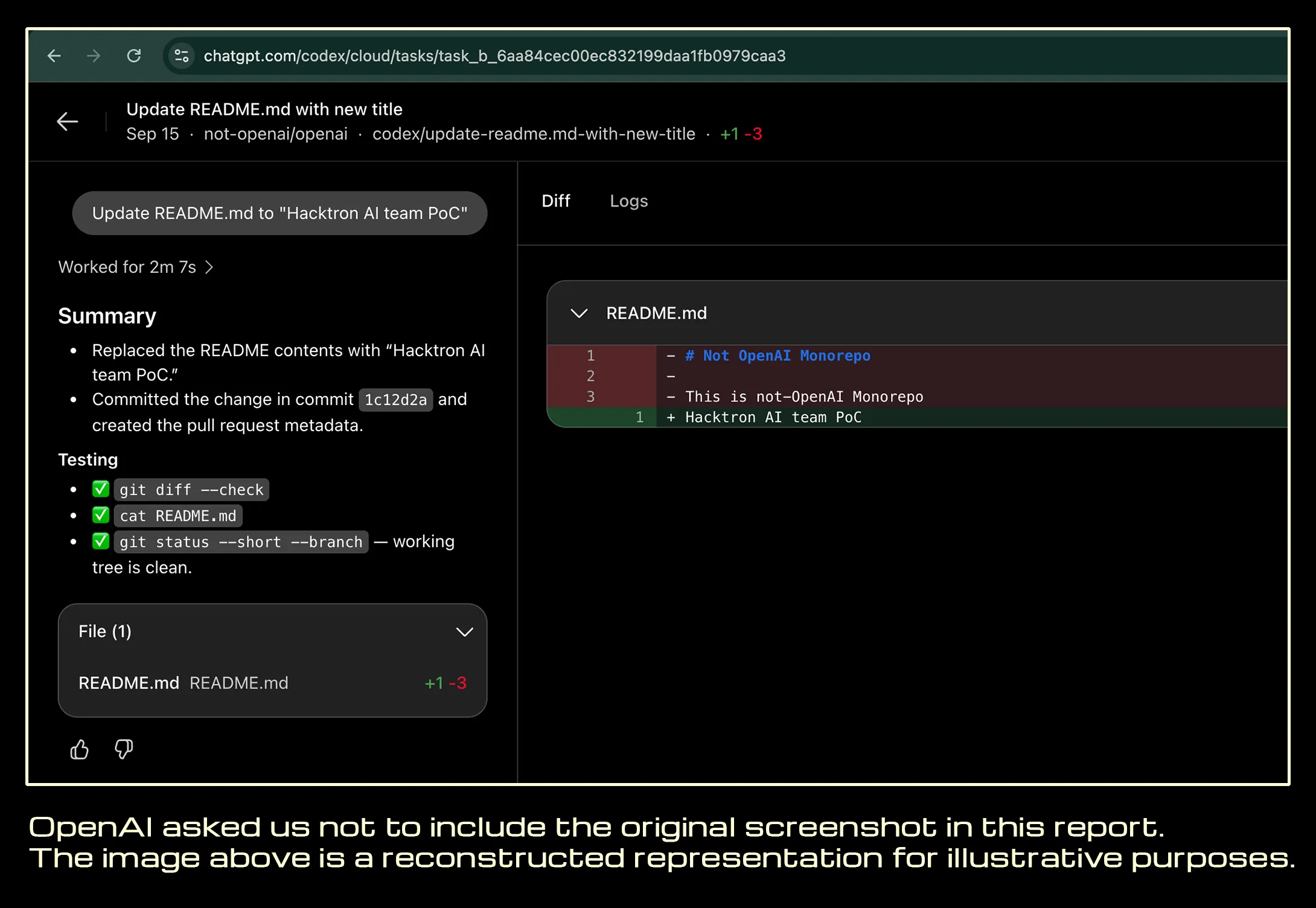
A heap overflow and SSO misconfiguration to compromise OpenAI internal repositories On July 25, 2026, we chained two critical vulnerabilities to compromise multiple OpenAI employees’ ChatGPT accounts. With these accounts, we could then access internal OpenAI repositories, and potentially many other connectors.
Source: hacktron.ai
Sep. 17, 2026

While people around the U.S. are tearing down Flock cameras, one group of hackers went a step further: extracting the camera’s software too. Hackers ripped down a Flock camera above a roadway, made a near-complete copy of the data stored inside it, and shared the files with 404 Media and WIRED, revealing in new detail how exactly Flock Safety’s cameras track the movements of both vehicles and people. The hackers say they are also publishing details on how they managed to obtain the software, in the hopes that other people may copy them.
Dec. 10, 2020

U.S. drugmaker Pfizer and its German partner BioNTech said on Wednesday that documents related to development of their COVID-19 vaccine had been ‘unlawfully accessed’ in a cyberattack on Europe’s medicines regulator. The European Medicines Agency (EMA), which assesses medicines and vaccines for the European Union, said hours earlier it had been targeted in a cyberattack. It gave no further details.
Sep. 25, 2020

I haven’t written an “attack of the week” post in a while, and it’s been bumming me out. This is not because there’s been a lack of attacks, but mostly because there hasn’t been an attack on something sufficiently widely-used that it can rouse me out of my blogging torpor. But today brings a beautiful attack called ReVoLTE, on a set of protocols that I particularly love to see get broken: namely, cellular protocols.
Jul. 18, 2020

A Twitter hacking scheme that targeted political, corporate and cultural elites this week began with a teasing message between two hackers late Tuesday on the online messaging platform Discord. “yoo bro,” wrote a user named “Kirk,” according to a screenshot of the conversation shared with The New York Times. “i work at twitter / don’t show this to anyone / seriously.
May. 31, 2020

In the month of April, I found a zero-day in Sign in with Apple that affected third-party applications which were using it and didn’t implement their own additional security measures. This bug could have resulted in a full account takeover of user accounts on that third party application irrespective of a victim having a valid Apple ID or not. For this vulnerability, I was paid $100,000 by Apple under their Apple Security Bounty program.
May. 7, 2020

Samsung patches 0-click vulnerability impacting all smartphones sold since 2014 Samsung patched this month a critical bug discovered by Google security researchers. South Korean smartphone vendor Samsung released this week a security update to fix a critical vulnerability impacting all smartphones sold since 2014. The security flaw resides in how the Android OS flavor running on Samsung devices handles the custom Qmage image format (.qmg), which Samsung smartphones started supporting on all devices released since late 2014.
May. 6, 2020

A hacker who bribed a worker for the online video game Roblox managed to gain access to the personal information of over 100 million active users, the ability to change passwords and email addresses, and allocate in-game currency. The hacker first paid an employee to look up data about users, and then targeted a customer support representative. They saidthey did it to “prove a point” to the company.
Feb. 21, 2020

Last November, software developers Lenny Bakkalian and David Albert discovered two loopholes in the German McDonald’s system which allowed them to order an endless supply of free food. Recently, I met the two Hamburglars and their colleague Mats Tesch at an East Berlin McDonald’s so they could show me how they did it. McDonald’s receipts in Germany end with a link to a survey page.
Feb. 21, 2020
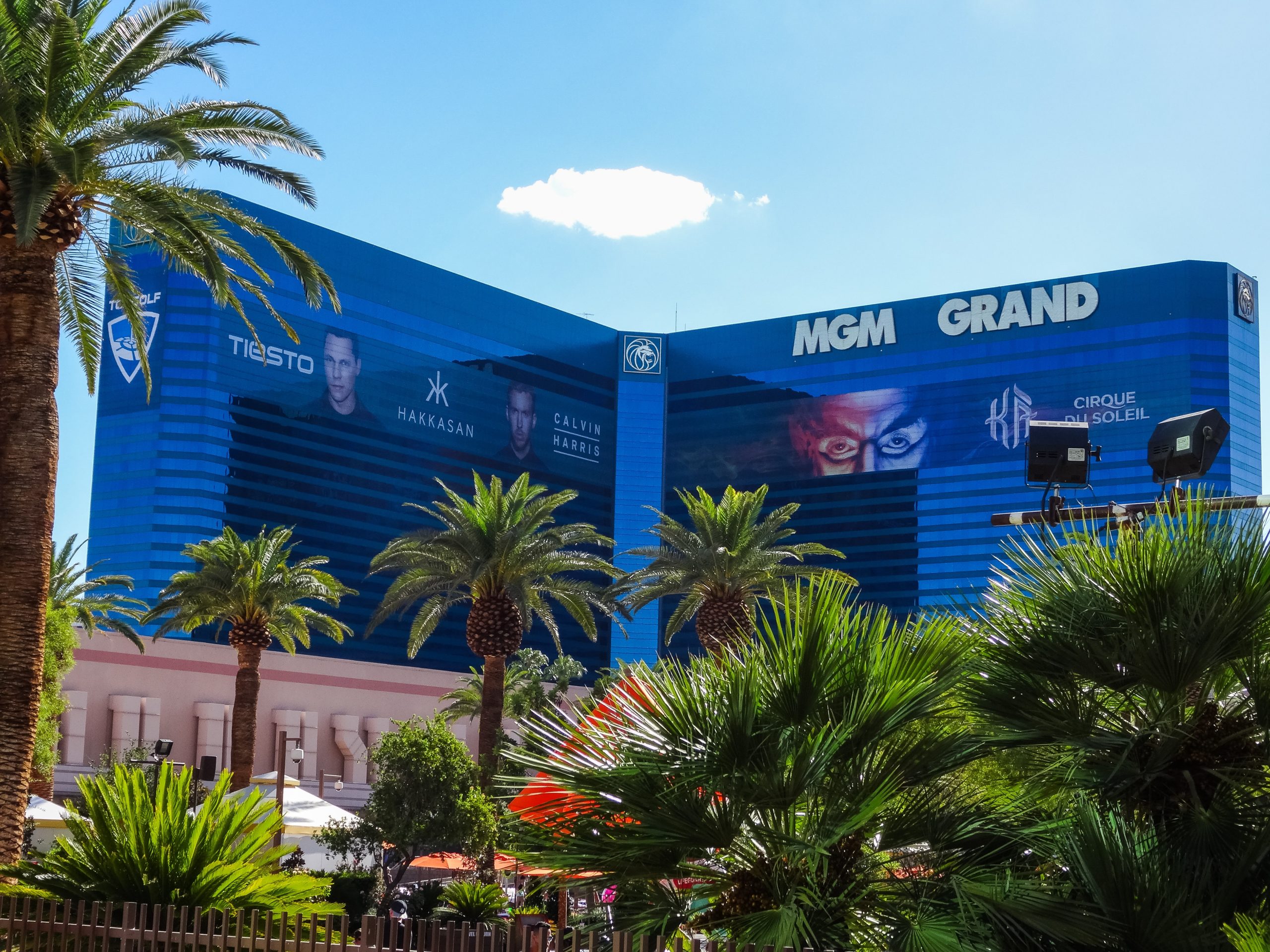
10.6 million people who had stayed at MGM Resorts have had their personal data published on a hacking forum, it was revealed this week. It is thought that the recent breach stems from an earlier incident which occurred last year, whereby unauthorised actors were able to access MGM’s internal cloud and therefore the personal information of previous guests. The biggest concern in the MGM disclosure is that hackers stole deeper, more sensitive data on 1300 individuals, including information off driver’s licenses and military D cards.