Jun. 14, 2018

Microsoft has patched a vulnerability in the Cortana smart assistant that could have allowed an attacker with access to a locked computer to use the smart assistant and access data on the device, execute malicious code, or even change the PC’s password to access the device in its entirety. The issue was discovered by Cedric Cochin, Cyber Security Architect and Senior Principle Engineer at McAfee. Cochin privately reported the problems he discovered to Microsoft in April.
Apr. 25, 2018

If you open the booby-trapped document, which is denoted by Qihoo as containing some unspecified sort of shellcode, Internet Explorer is apparently activated in the background, ultimately leading to an executable program being downloaded and executed without any visible warning.
Source: sophos.com
Mar. 7, 2018
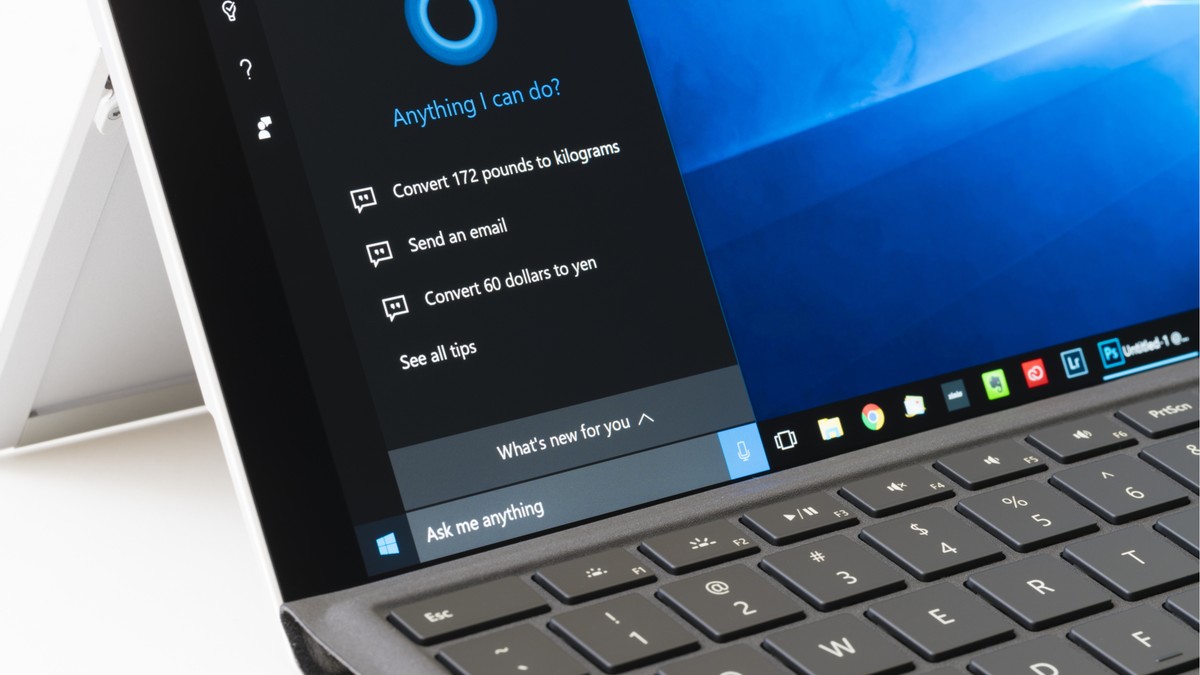
Tal Be’ery and Amichai Shulman found that the always-listening Cortana agent responds to some voice commands even when computers are asleep and locked, allowing someone with physical access to plug a USB with a network adapter into the computer, then verbally instruct Cortana to launch the computer’s browser and go to a web address that does not use https—that is, a web address that does not encrypt traffic between a user’s machine and the website. The attacker’s malicious network adapter then intercepts the web session to send the computer to a malicious site instead, where malware downloads to the machine, all while the computer owner believes his or her machine is protected.