Jan. 27, 2019

You’ve decided to tackle a high-end luxury apartment, the kind of building with multiple Picassos in the penthouse. You could spend weeks or months casing the place, studying every resident’s schedule, analyzing the locks on all the doors. You could dig through trash for hints about which units have alarms, run through every permutation of what the codes might be.
Or you could also just steal the super’s keys. According to a Justice Department indictment Thursday, that is effectively what China has done to the rest of the world since 2014. That’s when the country’s elite APT10—short for “advanced persistent threat”—hacking group decided to target not just individual companies in its long-standing efforts to steal intellectual property, but instead focus on so-called managed service providers.
Apr. 29, 2018

The Zebrocy family consists of three components. In the order of deployment these are a Delphi downloader, an AutoIt downloader and a Delphi backdoor. Figure 1 shows the relationship between these components.
In this article we describe this family and how it can coexist with the older Seduploader reconnaissance tools. We will talk about some similarities to and differences from Downdelph at the end.
Apr. 27, 2018
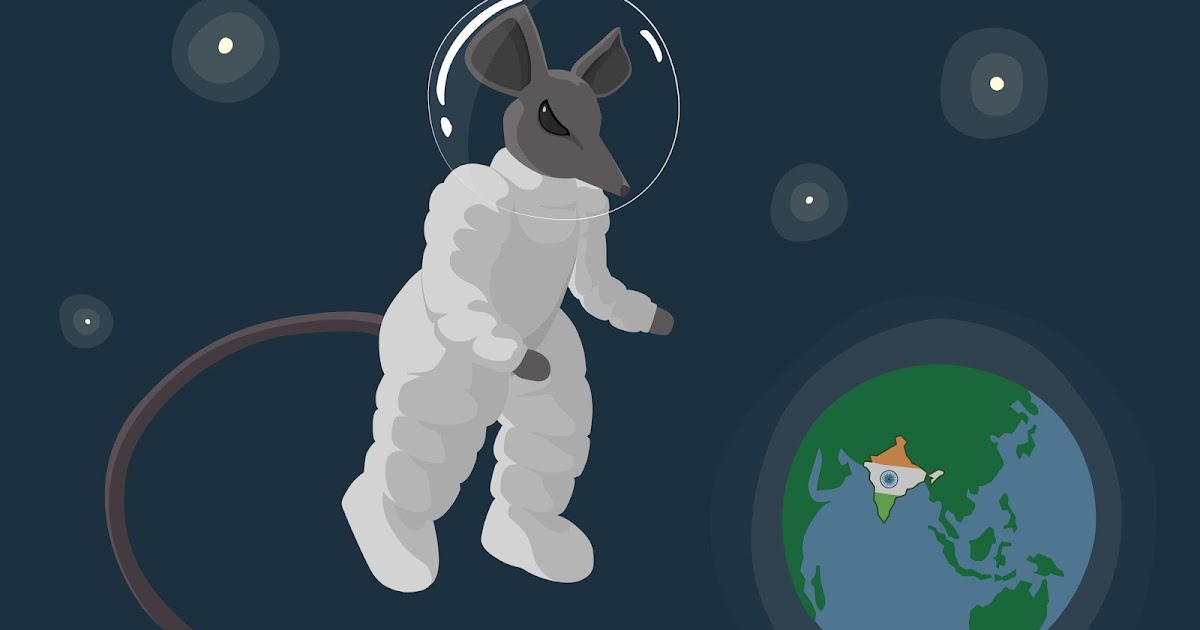
Today, Cisco Talos is uncovering a new piece of malware, which has remained under the radar for the past two years while it continues to be developed. Several weeks ago, we identified the use of the latest version of this RAT (Remote Access Tool). In this article, we will discuss the technical capabilities, the evolution, development and potential attribution of what we are calling GravityRAT.
Apr. 23, 2018
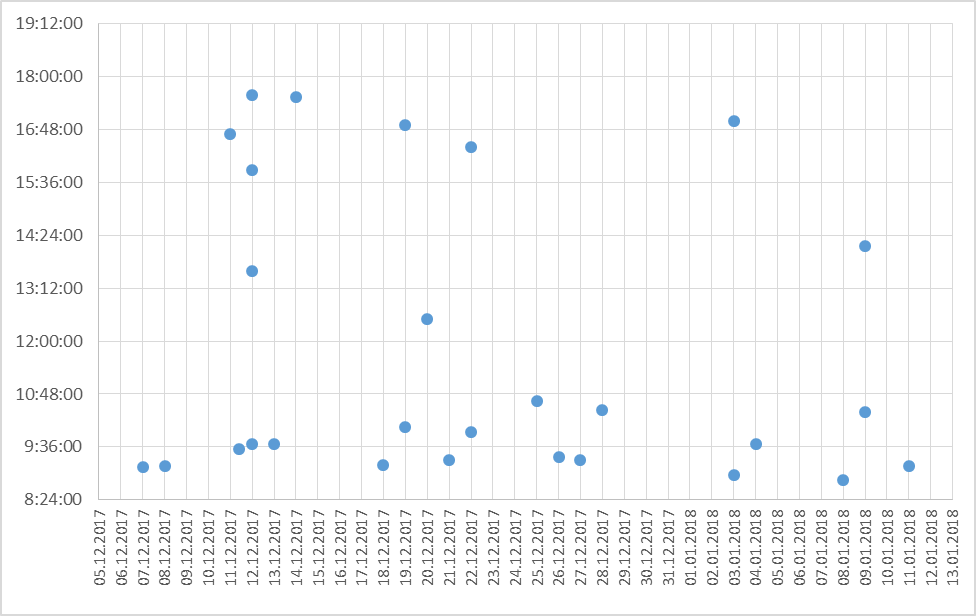
Energetic Bear/Crouching Yeti is a widely known APT group active since at least 2010. The group tends to attack different companies with a strong focus on the energy and industrial sectors. Companies attacked by Energetic Bear/Crouching Yeti are geographically distributed worldwide with a more obvious concentration in Europe and the US.
In 2016-2017, the number of attacks on companies in Turkey increased significantly.
Source: securelist.com