Apr. 4, 2018
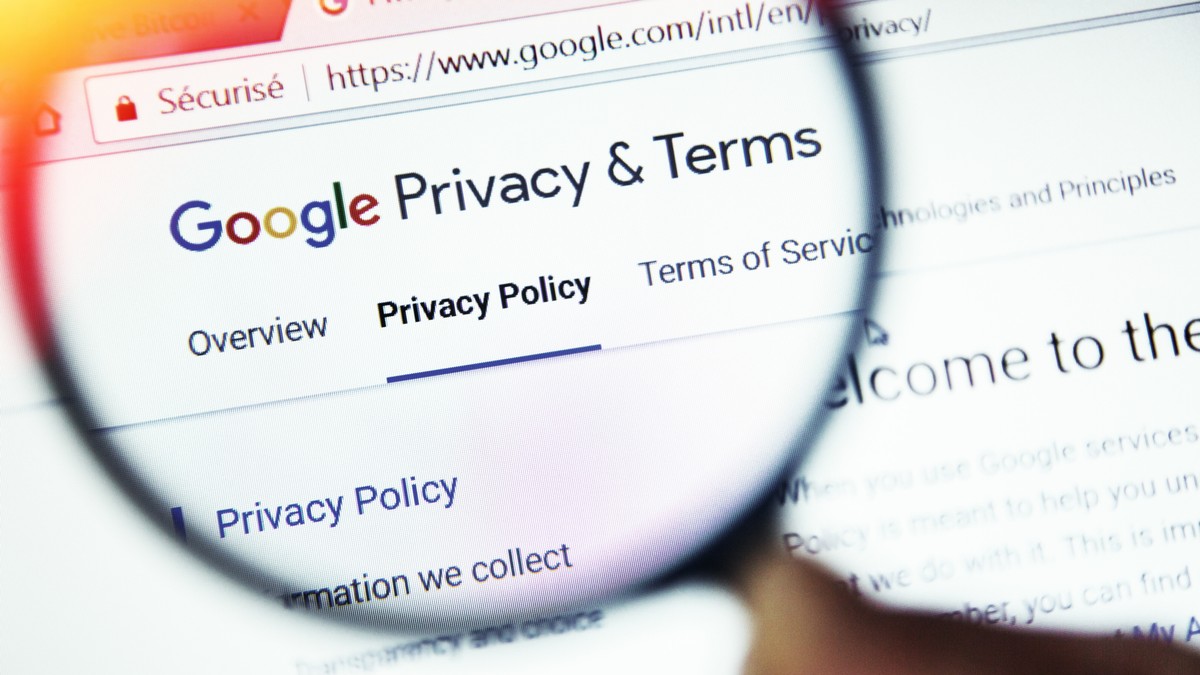
In practice, Chome on Windows looks through your computer in search of malware that targets the Chrome browser itself using ESET’s antivirus engine. If it finds some suspected malware, it sends metadata of the file where the malware is stored, and some system information, to Google. Then, it asks you to for permission to remove the suspected malicious file.
Apr. 3, 2018

On Sunday, the security focused content delivery network provider, Cloudflare, opened up a global Domain Name System (DNS) for consumers to run both DNS-over-TLS and DNS-over-HTTPS. The service is called 1.1.1.1. That is the IPv4 address for Cloudflare’s DNS resolver (along with 1.0.0.1).
Source: threatpost.com
Apr. 3, 2018
Unfortunately, by default, DNS is usually slow and insecure. Your ISP, and anyone else listening in on the Internet, can see every site you visit and every app you use even if their content is encrypted. Creepily, some DNS providers sell data about your Internet activity or use it target you with ads.
Source: 1.1
Mar. 31, 2018
Under the proposed law, ISPs would be required to filter all pornography or face a $500 per infraction fine. Users who wanted to access pornography would then been subject to a $20 per device “digital access fee” if they wanted to access pornography.
Source: vice.com
Mar. 25, 2018
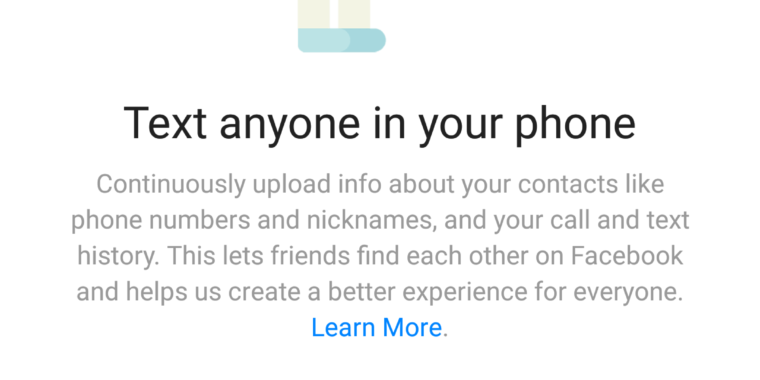
This past week, a New Zealand man was looking through the data Facebook had collected from him in an archive he had pulled down from the social networking site. While scanning the information Facebook had stored about his contacts, Dylan McKay discovered something distressing: Facebook also had about two years worth of phone call metadata from his Android phone, including names, phone numbers, and the length of each call made or received.
Mar. 25, 2018

In the wake of the Cambridge Analytica scandal, many Facebook users have been downloading their Facebook posts. And some of them are finding call and text-message logs from 2015 through 2017, although not the actual content of the calls or texts.
Source: tomsguide.com
Mar. 23, 2018

Because of this failure, U.S. and foreign police will have new mechanisms to seize data across the globe. Because of this failure, your private emails, your online chats, your Facebook, Google, Flickr photos, your Snapchat videos, your private lives online, your moments shared digitally between only those you trust, will be open to foreign law enforcement without a warrant and with few restrictions on using and sharing your information. Because of this failure, U.S. laws will be bypassed on U.S. soil.
Mar. 20, 2018

Last Friday, reporters from The New York Times and The Observer of London told Facebook that Cambridge had retained copies of private data for about 50 million Facebook users. Facebook says Cambridge promised in 2015 that the data would be deleted. Facebook responded to the new revelations by banning Cambridge and several of its associates from Facebook.
Source: arstechnica.com
Mar. 18, 2018

Advanced surveillance technologies once reserved for international airports and high-security prisons are coming to schools across America. From New York to Arkansas, schools are spending millions to outfit their campuses with some of the most advanced surveillance technology available: face recognition to deter predators, object recognition to detect weapons, and license plate tracking to deter criminals. Privacy experts are still debating the usefulness of these tools, whom they should be used on, and whom they should not, but school officials are embracing them as a way to save lives in times of crisis.
Mar. 17, 2018

Raleigh police used search warrants to demand Google accounts not of specific suspects, but from any mobile devices that veered too close to the scene of a crime, according to a WRAL News review of court records. These warrants often prevent the technology giant for months from disclosing information about the searches not just to potential suspects, but to any users swept up in the search.
Mar. 16, 2018

For many photos taken with smartphones(and with some consumer cameras), geolocation information is saved with the image by default. The location is stored in theExif (Exchangable Image File Format) data of the photo itself unless geolocation services are turned off. If you have used Apple’s iCloud photo store or Google Photos, you’ve probably created a rich map of your pattern of life through geotagged metadata.
Mar. 16, 2018
This new backdoor for cross-border data mirrors another backdoor under Section 702 of the FISA Amendments Act, an invasive NSA surveillance authority for foreign intelligence gathering. That law, recently reauthorized and expanded by Congress for another six years, gives U.S. intelligence agencies, including the NSA, FBI, and CIA, the ability to search, read, and share our private electronic messages without first obtaining a warrant.
Mar. 13, 2018

Three popular VPN services have been found to leak private user information, which if exploited could be used to identify users. The report, published Tuesday, reveals several vulnerabilities in Hotspot Shield, Zenmate, and PureVPN — all of which promise to provide privacy for their users.
Source: zdnet.com
Mar. 13, 2018
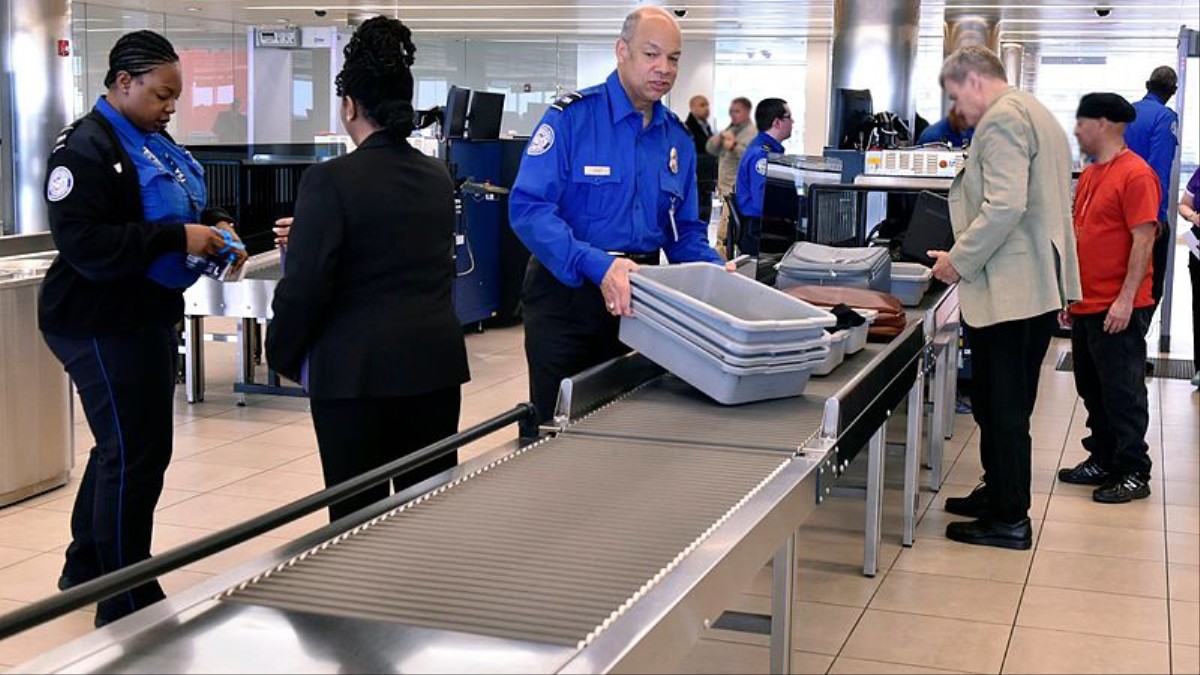
Flying sucks enough as it is, but a Transportation Security Administration employee deciding to root around in your laptop or cellphone can make it even worse. This practice of searching electronic devices has been going on for years at international airports, but this was limited to travelers flying in and out of the US. Recently there has a large uptick in the number of devices searched by Customs and Border Protection agents: Last year, CBP officials searched 30,000 devices, up from just 5,000 in 2015.
Mar. 13, 2018
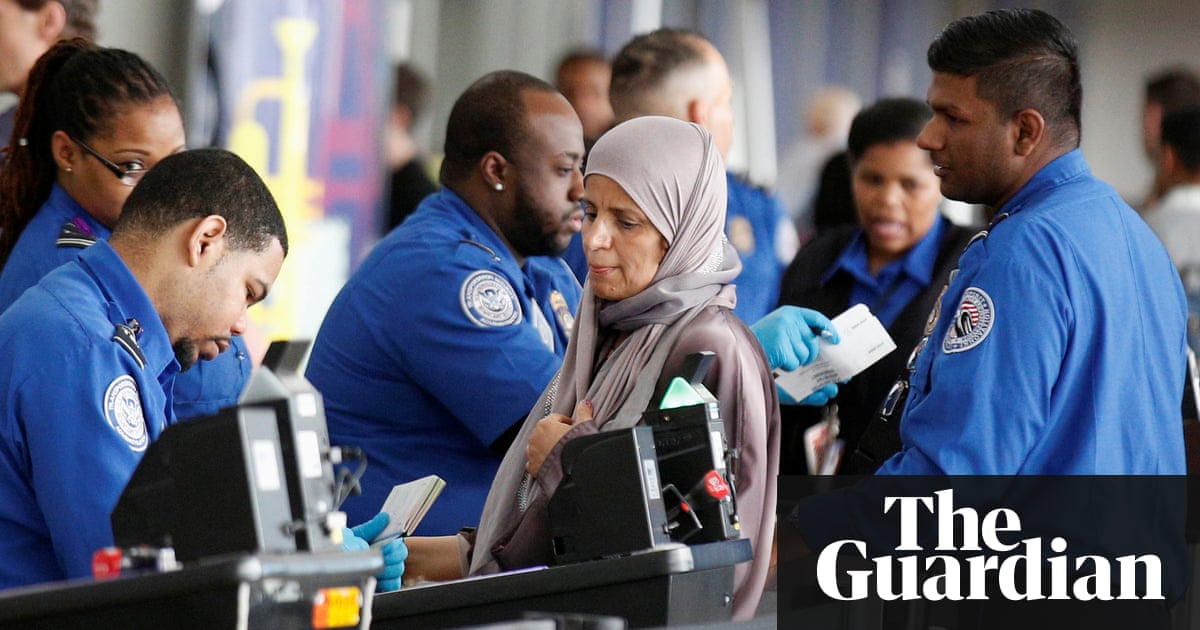
There are a growing number of reports of the Transportation Security Administration (TSA) searching the electronic devices of passengers on domestic flights in the US, according to the American Civil Liberties Union (ACLU), which has sued the federal agency for records. The ACLU Foundation of Northern California filed a lawsuit against the TSA on Monday demanding that the government disclose its policies for searching the computers and cellphones of domestic travelers, arguing that anecdotal accounts have raised concerns about potential privacy invasions.
Mar. 9, 2018

A partnership with police will permit some Amazon Echo owners to report crimes directly through their smart speakers.
Source: theintercept.com
Mar. 8, 2018

The FBI maintains an office, known as the National Domestic Communications Assistance Center (NDCAC), which actively provides technical assistance to local law enforcement in high-profile cases. In its most recently published minutes from May 2017, the NDCAC said that one of its goals is to make commercial tools like those from Israeli data extraction company Cellebrite ‘more widely available’ to state and local law enforcement.
Mar. 7, 2018

Records posted Tuesday by the Electronic Frontier Foundation following a freedom of information lawsuit filed last year reveal that federal agents would pay Geek Squad managers who pass on information about illegal materials on devices sent in by customers for repairs.
Source: zdnet.com
Mar. 6, 2018
Everyone knew the MoviePass deal is too good to be true — and as is so often the case these days, it turns out you’re not the customer, you’re the product. And in this case they’re not even attempting to camouflage that. Mitch Lowe, the company’s CEO, told an audience at a Hollywood event that “we know all about you.”
Mar. 5, 2018
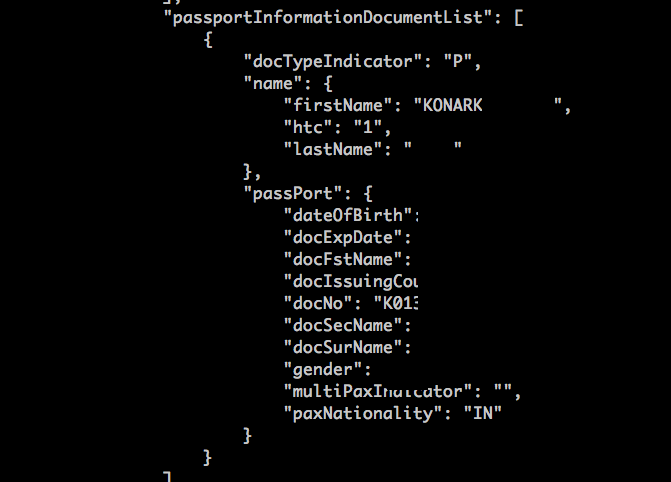
Now imagine this, I said “You try to check-in for your flight online, and see the error message — This booking does not exist. You try again, this surely is a mistake. Nope, still the same error message.
The call center person repeats the same words. This has to be a mistake! You check your email, and there it is — staring back at you — email confirmation of cancellation.