May. 29, 2020

Security firm Pen Test Partners ordered the 5GBioShield, and found that it’s just a cheap unbranded USB stick likely made in Shenzhen, China. PCMag editors select and review products independently. We may earn affiliate commissions from buying links, which help support our testing.
Learn more. No, 5G won’t give you coronavirus. But that isn’t stopping scammers from trying to exploit misguided fears about the technology.
Feb. 24, 2020
Wells Fargo, the nation’s fourth-largest bank, agreed Friday to pay a $3 billion fine to settle a civil lawsuit and resolve a criminal prosecution filed by the Justice Department over its fake account scandal. Under pressure to meet sales quotas, bank employees opened millions of savings and checking accounts in the names of actual customers, without their knowledge or consent. Since the fraud became public in 2016, the bank has faced a torrent of lawsuits.
Feb. 8, 2020

You should feel cranky about all the phishing emails you get. Because getting your brain in a grumpy gear will elevate the odds of your not getting fooled by the next phony invitation to log into your account. The roughly 100 million phishing emails Google blocks every day fall into three main categories: highly targeted but low-volume spear phishing aimed at distinct individuals, “boutique phishing” that targets only a few dozen people, and automated bulk phishing directed at thousands or hundreds of thousands of people.
Jan. 23, 2020

We reveal details on the most sophisticated browser locker campaign we’ve seen yet. Learn how this tech support scam fools users by hiding in plain sight. In the early days, practically all tech support scammers would get their own leads by doing some amateur SEO poisoning and keyword stuffing on YouTube and other social media sites.
They’d then leverage their boiler room to answer incoming calls from victims. Today, these practices continue, but we are seeing more advanced operations with a clear separation between lead generation and actual call fulfillment. Malvertising campaigns and redirections from compromised sites to browser locker pages are owned and operated by experienced purveyors of web traffic.
Aug. 3, 2019
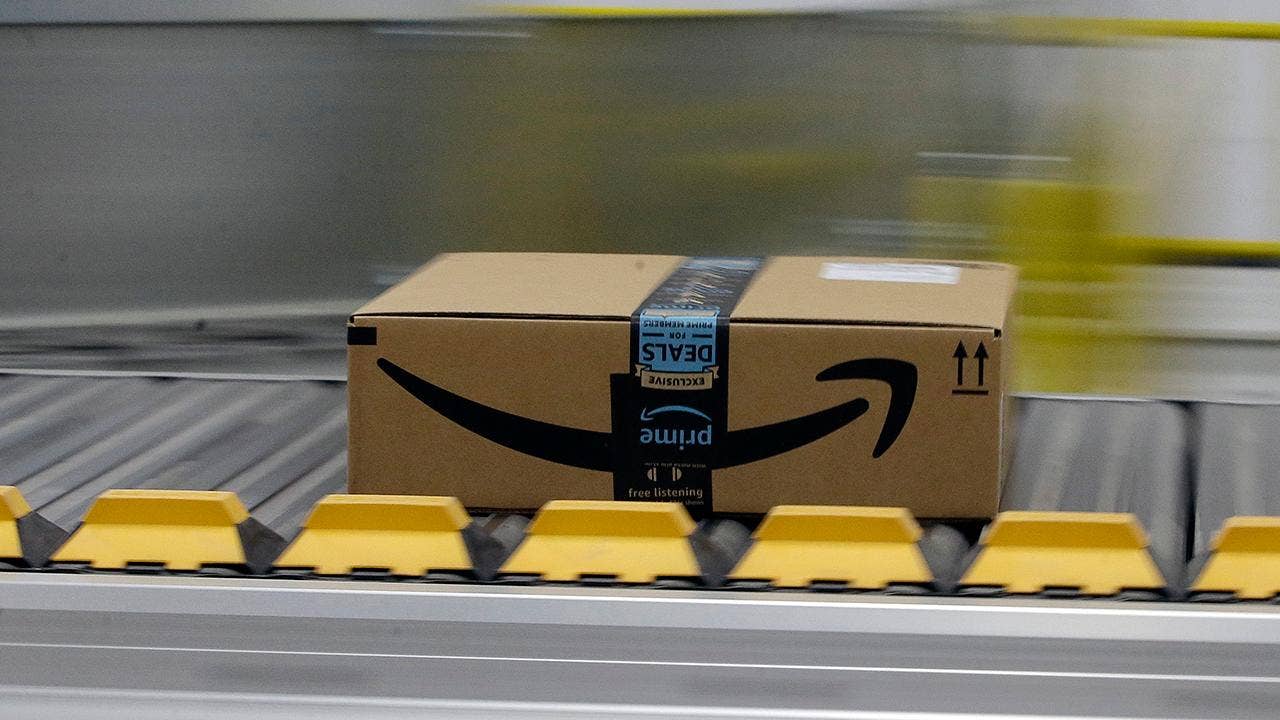
James Gilbert Kwarteng, of Palma de Mallorca, Spain, allegedly swindled Amazon by filling up the ordered items’ boxes with dirt and registering with the exact weight of the product. He would then receive a refund from Amazon and sell the original item, according toEl EspañolandEl Diario de Mallorca. The return packages would end up sitting around in Amazon’s warehouses where they aren’t checked often.
Feb. 8, 2019

A scammer was found to be manually abusing YouTube’s automated copyright system in an effort to hold YouTube channels ransom. By submitting multiple fake copyright “flags” on videos, the scammer was able to bring at least two YouTube accounts to the brink of automatic deactivation under YouTube’s “three strikes” policy, even getting past YouTube employees who double-checked the suspicious claim. According to YouTube, anti-abuse teams initially identified the requests as suspicious and asked for more information.
Dec. 8, 2018

Telephone pitchers, online scammers and even family members target the most vulnerable among us. And it’s about to get worse. Marjorie Jones trusted the man who called to tell her she’d won a sweepstakes prize, saying she could collect the winnings once she paid the taxes and fees.
After she wired the first payment, he and other callers kept adding conditions to convince her to send more money. As the scheme progressed, Jones, who was legally blind and lived alone in a two-story house in Moss Bluff, Louisiana, depleted her savings, took out a reverse mortgageand cashed in a life insurance policy. She didn’t tell her family, not even the sister who lived next door.
Nov. 6, 2018

A widespread scam pretending to be from ElonMusk and utilizing a stream of hacked Twitter accounts andfake giveaway sites has earned scammers over 28 bitcoins or approximately $180,000 in a single day. This scam is being pulled off by attackers hacking into verified Twitter accounts and then changing the profile name to ‘Elon Musk’. They then tweet out that he, being Elon, is creating the biggest crypto-giveaway of 10,000 bitcoins.
Sep. 15, 2018

Many of us are already conditioned to ignore phone calls from unknown numbers. A new study seems to validate that M.O. By next year, nearly half of the mobile phone calls we get will be scams, according to a new report from First Orion, a company that provides calls management and protection forT-Mobile,MetroPCs,Virgin Mobileand others.
The percentage of scam calls in US mobile traffic increased from 3.7 percent last year to 29.2 percent this year, and it’s predicted to rise to 44.6 percent in 2019, First Orion said in a press release Wednesday. The most popular method scammers use to try to get people to pick up the phone is called ‘neighborhood spoofing,’ where they disguise their numbers with a local prefix so people presume the calls are safe to pick up, First Onion said. Third-party call blocking apps may help protect consumers from known scam numbers, but they can’t tell if a scammer hijacks someone’s number and uses it for scam calls.
Jun. 13, 2018

The EtherScamDB website was created by the team behind the MyCrypto wallet service for the purpose of tracking various types of online scams centering around the Ethereum platform and associated cryptocurrencies and assets. For the past few months, the website has been inventorying various types of Ethereum scams, such as classic phishing sites that imitate legitimate apps and wallets, trust-trading sites that push inaccurate advice or recommendations, but also online giveaways scams that promise to multiply Ether funds if victims transfer crooks a small sum of money. The latter category has recently become rampant on Twitter, and on a daily basis, the social network’s most popular tweets are often inundated by these ‘Ether giveaway’ scams.
May. 28, 2018

A man watched helplessly as cybercriminals stole £9,000 (nearly US$12,000) from his account at British bank TSB while he waited – for four-and-a-half hours – to get through to the bank’s fraud line, according to a BBC report. Ben Alford, of Weymouth in the United Kingdom, has described how he put in a call to TSB after noticing that somebody had taken out a loan in his name from another bank. While he was logged into his TSB online account and waited for the bank’s fraud department to deal with his phone call, he saw how two sums – £5,000 and £4,000 – were stolen from his account in two transactions.
May. 10, 2018
Nigerian business email compromise scams are growing more dangerous and sophisticated as cybercriminals add new tools and techniques to their arsenal such as remote access trojans (RATs) and advanced information stealers, researchers found. Palo Alto Networks’ Unit 42 said in a report released Tuesday about Nigerian cybercrime that they found Nigerian business email compromise (BEC) linked incidents have shot up 45 percent in 2017 compared to the year prior, representing 17,600 attacks per month. But even beyond soaring cybercriminal incidents, criminals are becoming less of a pesky threat, such as Nigerian Prince 419-style email scams, and more dangerous.
May. 4, 2018

You would think that after decades of analyzing and fighting email spam, there’d be a fix by now for the internet’s oldest hustle—the Nigerian Prince scam. There’s generally more awareness that a West African noble demanding $1,000 in order to send you millions is a scam, but the underlying logic of these “pay a little, get a lot” schemes, also known as 419 fraud, still ensnares a ton of people. In fact, groups of fraudsters in Nigeria continue to make millions off of these classic cons.
Apr. 5, 2018
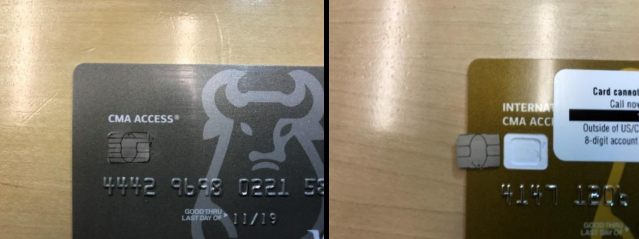
The U.S. Secret Service is warning financial institutions about a new scam involving the temporary theft of chip-based debit cards issued to large corporations. In this scheme, the fraudsters intercept new debit cards in the mail and replace the chips on the cards with chips from old cards. When the unsuspecting business receives and activates the modified card, thieves can start draining funds from the account.
Mar. 16, 2018

It’s at least the second time in two years that Google has served up a malicious ad under Amazon’s name. Over the past year, we’ve heard of several cases of bad ads that have redirected users to malicious pages, but to our knowledge have never directly served malware.
Source: zdnet.com
Mar. 7, 2018
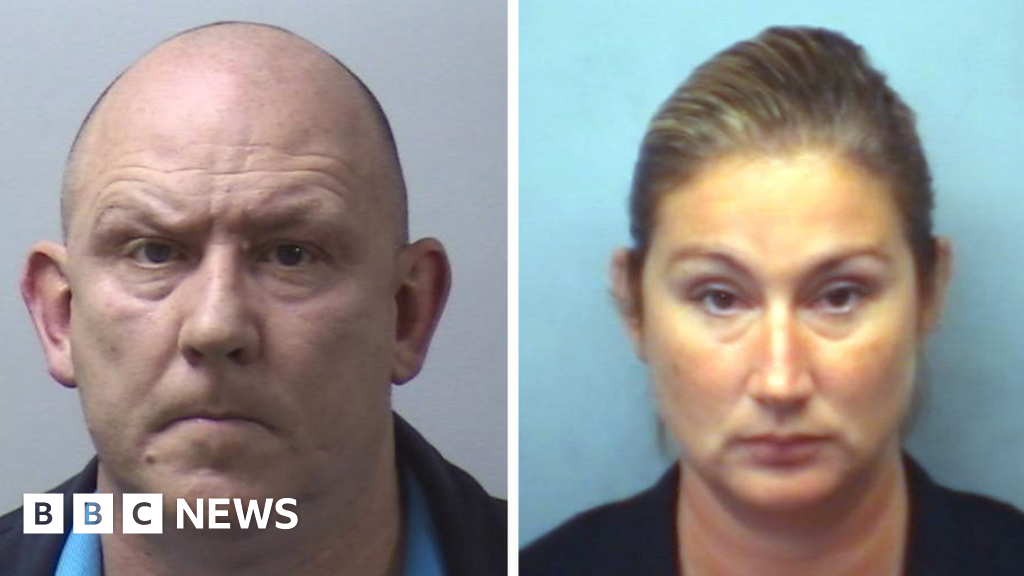
National Trading Standards said that the defendants set up copycat websites between January 2011 and November 2014 that mimicked government services such as applying for or renewing passports, visas, birth or death certificates, driving licences and tests, car tax discs and the London Congestion Charge.
Source: bbc.com