Aug. 17, 2019
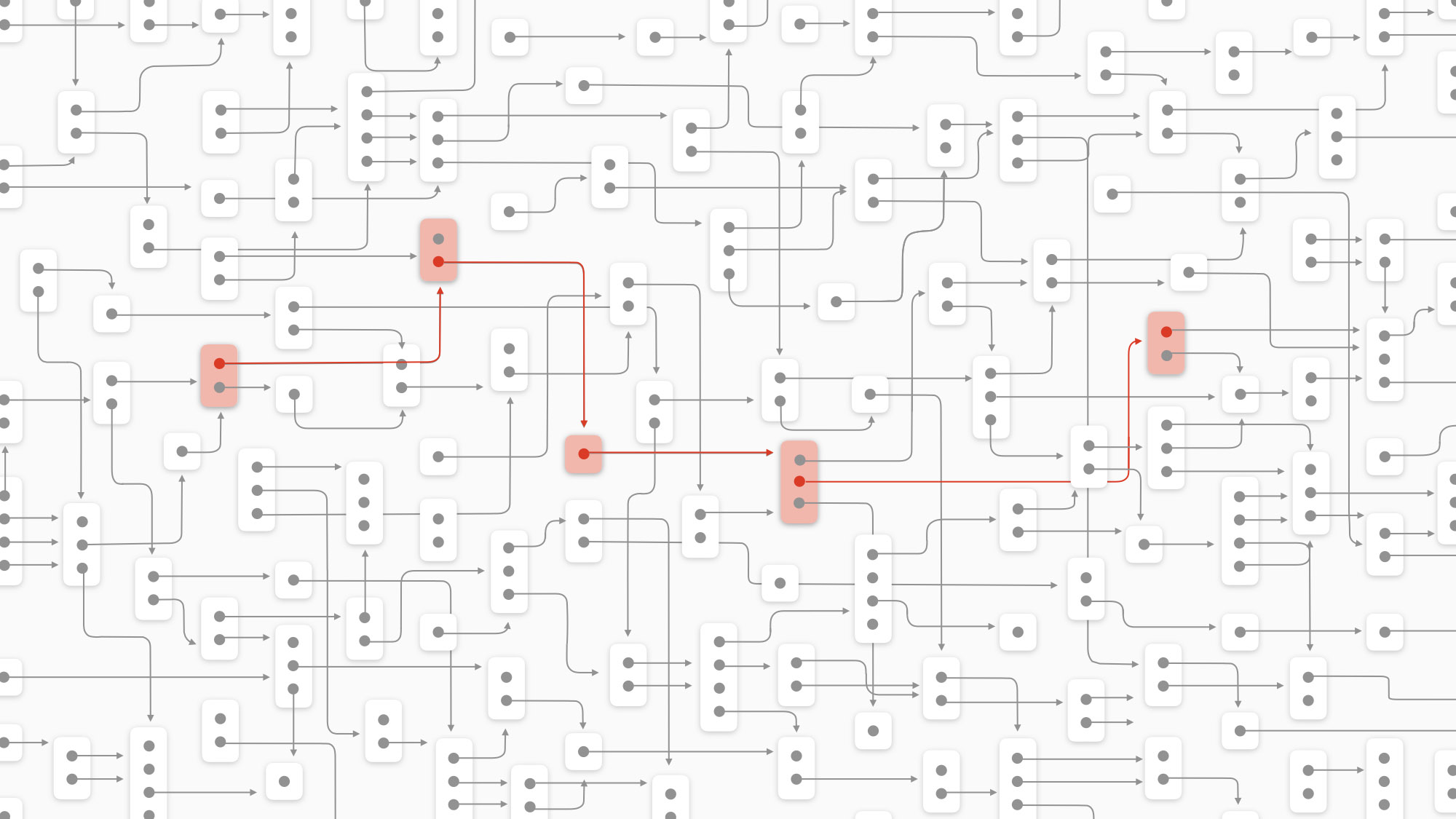
Zoncolan helps security engineers scale their work by using static analysis to examine code and detect security or privacy issues. Facebook’s web codebase currently contains more than 100 million lines of Hack code, and changes thousands of times per day. To handle the sheer volume of code, we build sophisticated systems that help our security engineers review code.
Aug. 4, 2019

Late last week, the U.S. House of Representatives passed legislation to mandate federal research on a radically ‘retro’approach to protect power grids from cyber attack: unplugging or otherwise isolating the most criticalequipment from grid operators’ digital control systems. Angus King, an independent senator from Maine whose identical bill passedthe Senate last month, says such a managed retreat from networked controls may berequired to thwart the grid’s most sophisticated online adversaries. Grid cyber experts say the Securing Energy Infrastructure Act moving through Congress isa particular testament toMichael Assante, a gifted and passionate cybersecurity expert whodied earlier this monthfrom leukaemia at the age of 48.
Aug. 3, 2019

On July 19th, 2019 Capital One got the red flag that every modern company hopes to avoid – their data had been breached. Over 106 million people affected.
140,000 Social Security numbers. 80,000 bank account numbers. 1,000,000 Social Insurance Numbers.
Pretty messy right? Unfortunately, the 19th wasn’t when the breach occurred.
It turns out that Paige Thompson, aka Erratic, had done the deed between March 22nd and March 23rd 2019.
Feb. 2, 2019

Back in 2011, when the venture capitalist Marc Andreessen said that “software is eating the world,” it was still a fresh idea. Now it’s obvious that software permeates our lives. From complex electronics like medical devices and autonomous vehicles to simple objects like Internet-connected lightbulbs and thermometers, we’re surrounded by software.
And that means we’re all more exposed to attacks on that software than everbefore. Every year, 111 billion lines are added to the mass of software code in existence, and every line presents a potential new target. Steve Morgan, founder and editor in chief at the research firm Cybersecurity Ventures, predicts that system break-ins made through a previously unknown weakness—what the industry calls “zero-day exploits”—will average one per day in the United States by 2021, up from one per week in 2015.
Dec. 4, 2018

Kubernetes has become the most popular cloud container orchestration system by far, so it was only a matter of time until its first major security hole was discovered. And the bug, CVE-2018-1002105, aka the Kubernetes privilege escalation flaw, is a doozy. It’s a CVSS 9.8 critical security hole.
CVSS 9.8 critical security hole. With a specially crafted network request, any user can establish a connection through the Kubernetes application programming interface (API) server to a backend server. Once established, an attacker can send arbitrary requests over the network connection directly to that backend.